
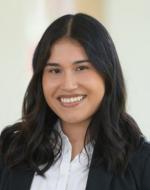
Giselle Salinas is a postdoctoral fellow at UCLA's Semel Institute for Neuroscience and Human Behavior in the PEERS Clinic. Dr. Salinas earned her Ph.D. in Special Education at UC Riverside, focusing on the transition to adulthood experiences of young adults with developmental disabilities and their parents. As a graduate student, she supported Spanish-speaking families at a free autism screening clinic, offering guidance in special education advocacy and autism assessments. She also engaged in community-building initiatives with neurodevelopmental organizations in the Inland Empire to further connect families seen at the screening clinic. Her future research aims to explore the transition to adulthood for neurodiverse young adults while emphasizing cultural diversity and fostering community partnerships. In the PEERS® Clinic, Dr. Salinas currently assists with the PEERS® for Young Adults and the Educational groups.
Post-doctoral Fellows
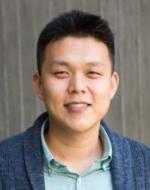
Postdoctoral Fellow
Dr. James Yang is a postdoctoral fellow at the UCLA Semel Institute for Neuroscience and Human Behavior in the UCLA PEERS® Clinic. He earned his PhD in Human Development and Psychology at UCLA, where he studied the employment and post-secondary education attainment of high school students with autism under the mentorship of Dr. Connie Kasari. Dr. Yang has provided trainings and supported teachers from underserved communities to promote self-determination in students with developmental disabilities in school settings. His clinical and research interests include further understanding the role of adaptive functioning skills, self-determination, and co-occurring conditions on employment and educational outcomes of neurodiverse individuals. Currently, Dr. Yang supports the PEERS® for Young Adults clinical groups and facilitates the PEERS® for Careers research program. He also provides individualized format of PEERS® for adolescents and young adults in clinical settings.
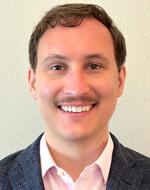
Postdoctoral fellow
Dr. Blake Warner (he/him) is a postdoctoral fellow at the UCLA Semel Institute for Neuroscience and Human Behavior in the Program for Education Enrichment of Relational Skills (PEERS®) Clinic and the Tarjan Center. He received his PhD with a dual specialization in Clinical and Disaster Psychology from the University of South Dakota, where he was a two-time Leadership Education in Neurodevelopmental and Related Disabilities (LEND) trainee. Dr. Warner's research and clinical interests center on disability-related policy and advocacy training as well as interventions focused on the intersection of gender, sexuality, and neurodiversity.

Postdoctoral fellow
Dr. Limon (She/Her/Ella) is a clinical psychology postdoctoral fellow at the UCLA Semel Institute for Neuroscience and Human Behavior. She earned a Bachelor of Arts in Psychology at The Ohio State University, a Master of Professional Studies in Clinical Psychological Science at the University of Maryland, and a doctorate in Clinical Psychology at Brigham Young University. Dr. Limon is committed to addressing systemic inequities in autism care. Her clinical and research interests focus on implementing strategies to increase access to autism evaluations and culturally adapted treatments for historically marginalized communities. As a bilingual provider, she is deeply committed to delivering comprehensive assessments in English and Spanish. Dr. Limon is currently co-facilitating the PEERS for Preschoolers social skills intervention.
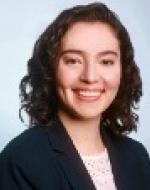
Postdoctoral fellow
Dr. Samara Wolpe (she/her) is a postdoctoral fellow at the UCLA Semel Institute for Neuroscience and Human Behavior in the UCLA PEERS® Clinic. She earned her Ph.D. in Human Development and Psychology at UCLA, where she studied the transition into adulthood for autistic teens and young adults under the mentorship of Dr. Jeffrey Wood. Samara was a UC Leadership Education and Neurodevelopment and Related Disabilities (LEND) trainee, is a PEERS® Certified provider with experience working with PEERS® for teens and young adults, and a researcher whose work advocates for neurodiversity-forward, community partnership based research in the autistic community. Samara is passionate about improving outcomes in employment, education, social and emotional welfare, and quality of life in autistic adults.

